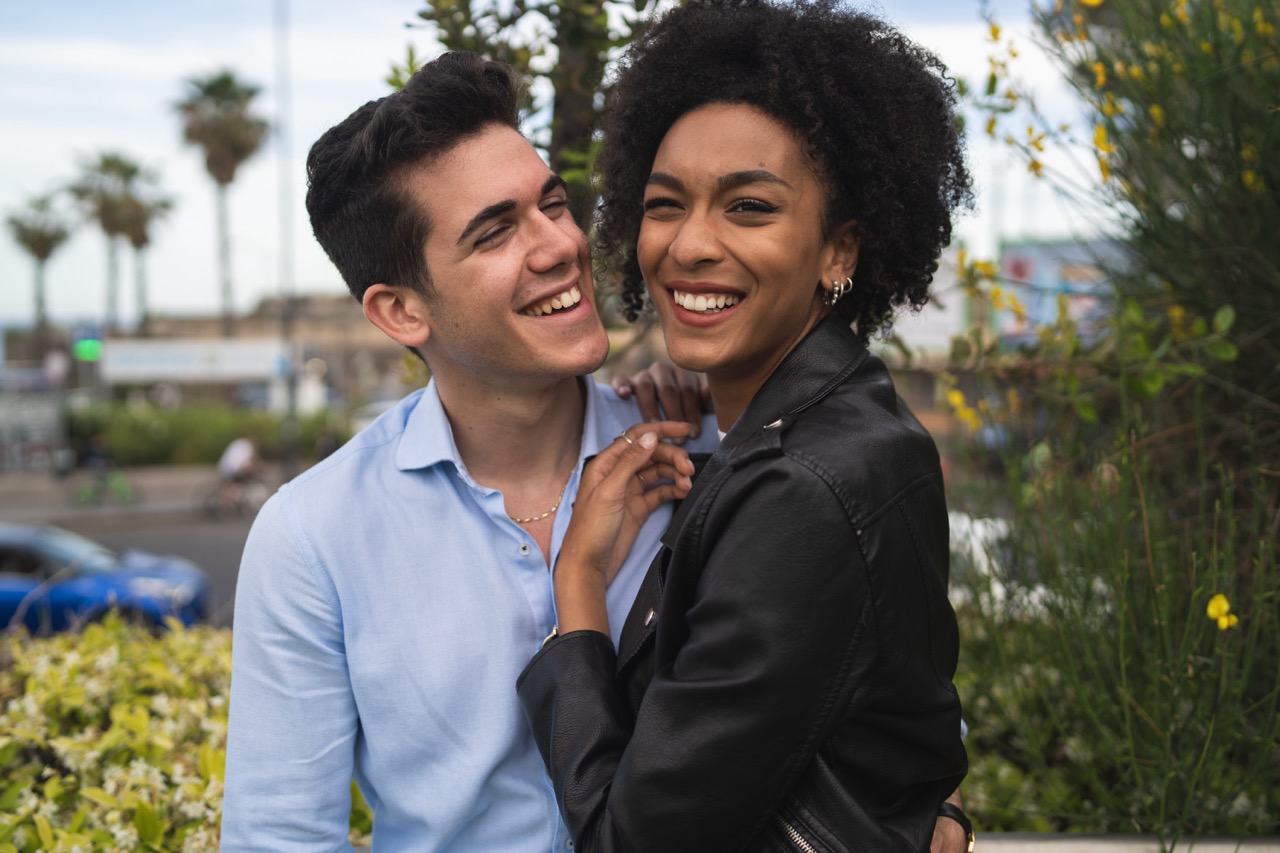
In the age of digital dating, where first impressions often hinge on a single photo, the use of deepfake technology for enhancing dating profiles has emerged as a hot topic. While some may see this as an opportunity to present their best selves, ethical questions abound. Is it acceptable to manipulate your image for love? Let’s explore the implications, both morally and emotionally, of using deepfake technology to "touch up" dating photos.
Understanding Deepfake Technology in Dating Contexts
Deepfake technology utilizes artificial intelligence to create realistic alterations in photos and videos. In the dating world, this can mean smoothing skin, reducing blemishes, or even modifying body shapes. While the intention might be to enhance attractiveness, the underlying technology raises concerns about authenticity and trust. For many, dating begins with visuals, and a carefully curated image can set the stage for what happens next.
However, the line between enhancement and deceit can be thin. If someone uses deepfake technology to alter their appearance significantly, they might present an unrealistic version of themselves. This discrepancy can lead to disappointment, mistrust, and even feelings of betrayal when the truth comes to light. In an era where honesty is often touted as a crucial component of relationships, the implications of such alterations can be more profound than one might initially think.
Moreover, the increasing accessibility of deepfake technology means that more individuals may experiment with it. While some might argue it’s just a more advanced form of filtering, others see it as a slippery slope that could ultimately undermine the integrity of dating platforms. Understanding the nuances of this technology is essential for anyone navigating the digital dating scene.
The Ethics of Altering Your Image: A Moral Dilemma
At its core, the use of deepfake technology in dating raises important ethical questions. Is it morally acceptable to alter your appearance to attract potential partners? On one hand, many people feel societal pressure to present an idealized version of themselves. The desire to look good in a photo is nothing new, and many have used filters or photo-editing apps for years. But deepfake technology takes this to a level that can blur the lines of honesty.
Consider the psychology behind attraction: physical appearance plays a significant role in initial connections. But when someone presents an altered version of themselves, it can create a false sense of intimacy. The person on the other end may be connecting with an image, not the real individual. This can lead to a cycle of insecurity, where both parties feel they must conform to an ideal that may not exist.
Ultimately, the ethical implications of using deepfake technology are subjective and depend on individual values. While some may justify their choices with the argument that everyone is doing it, others may feel a strong moral obligation to present their true selves. As relationships evolve, so too must our understanding of what it means to be genuine and authentic in a digital landscape.
Real Connections vs. Filtered Facades: What Matters Most?
In the quest for love, authenticity often takes a backseat to aesthetics. When deepfake technology is employed to create a "perfect" version of oneself, it can lead to superficial connections that lack depth. Genuine relationships are built on trust, vulnerability, and mutual understanding. If one party feels deceived from the start, it can create barriers to intimacy that may be hard to overcome.
Moreover, there’s a broader cultural implication to consider. The normalization of altered images can perpetuate unrealistic beauty standards, leading individuals to feel pressured to conform. This cycle can be damaging, not just for the individuals using deepfake technology, but for society as a whole. What does it say about our values when we prioritize appearance over authenticity in our romantic pursuits?
Ultimately, the question of what matters most—real connections or filtered facades—challenges us to reflect on our dating choices. Are we seeking genuine relationships, or are we merely chasing an ideal? As we navigate the complexities of modern dating, it’s crucial to prioritize authenticity, fostering connections that are rooted in honesty and mutual respect.
Tips for Authentic Online Dating Without Deepfakes
For those looking to engage in online dating without resorting to deepfake technology, authenticity is key. Start by using natural photos that showcase your true self. Consider sharing pictures of you engaging in hobbies or activities that you love; this can provide a more comprehensive view of who you are and what you value. Remember, your dating profile is a reflection of you, so embracing your unique features can be more attractive than any filter.
Another practical tip is to focus on your profile’s content. While images are important, the words you choose to describe yourself can create a more meaningful connection. Be honest about your interests, values, and what you’re looking for in a partner. This transparency can resonate with potential matches and foster deeper discussions, setting the stage for more fulfilling interactions.
Lastly, approach online dating with an open mind and a sense of humor. Remember that everyone is navigating their own insecurities and vulnerabilities. By embracing authenticity, you not only attract genuine connections but also create a space where others feel comfortable being their true selves. In the end, the most rewarding relationships are those built on honesty and mutual appreciation.
As we continue to explore the evolving landscape of online dating, it’s crucial to weigh the ethical implications of using technologies like deepfakes. While the allure of presenting an enhanced version of ourselves may be tempting, the foundation of any successful relationship lies in authenticity. By choosing to be genuine, we not only foster deeper connections but also contribute to a culture that values honesty and vulnerability. So, the next time you consider touching up that dating photo, ask yourself: is this who I really am?